ANA ESTEVE REIG
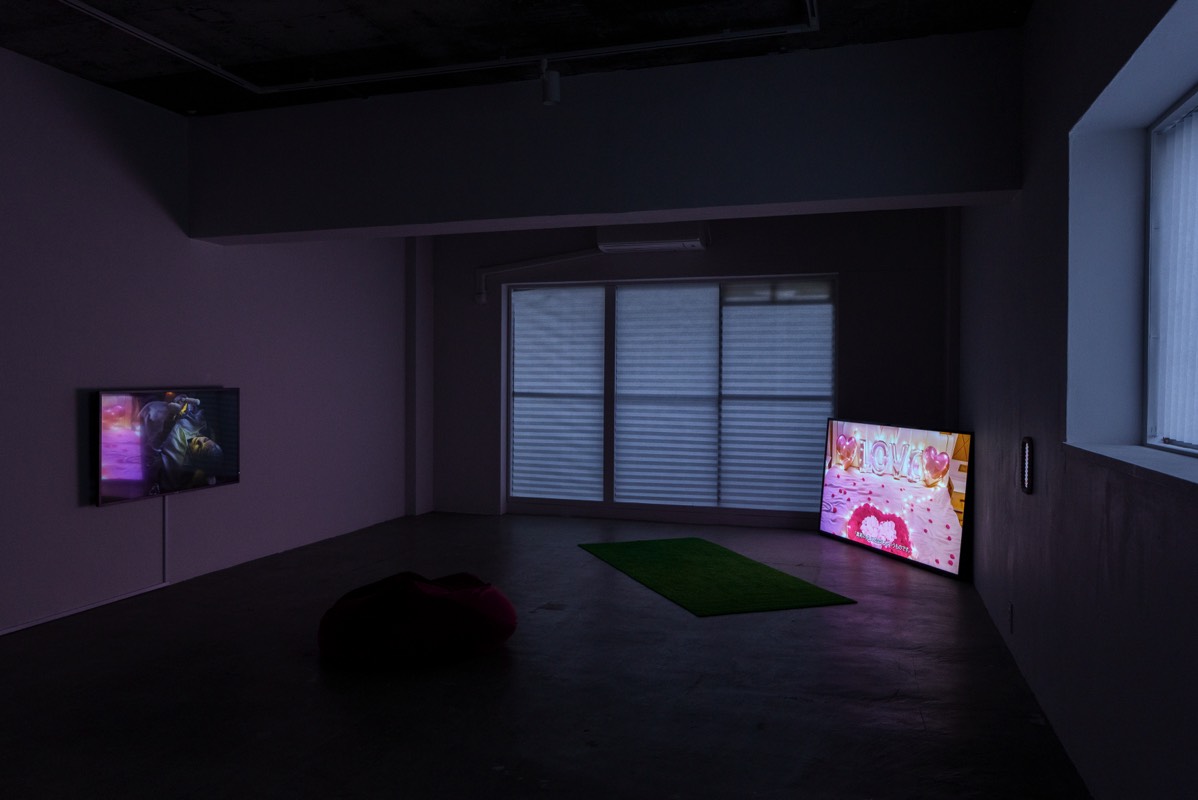
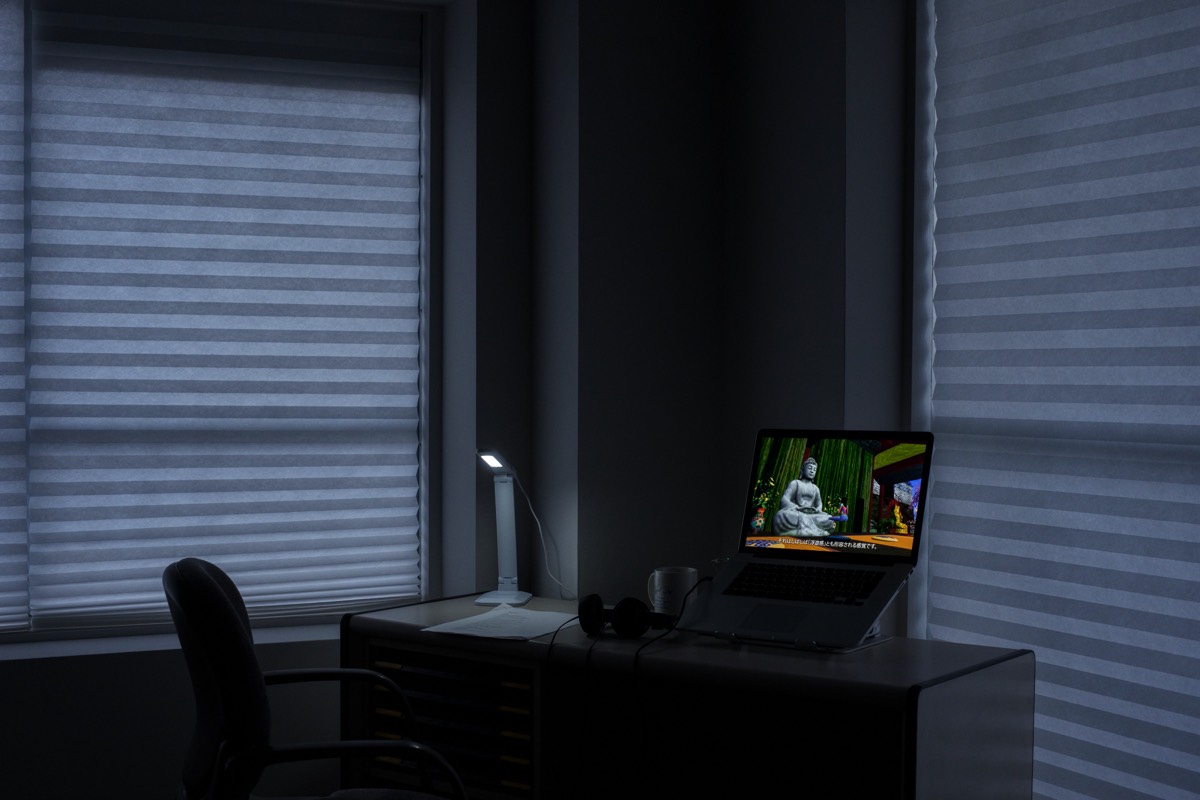
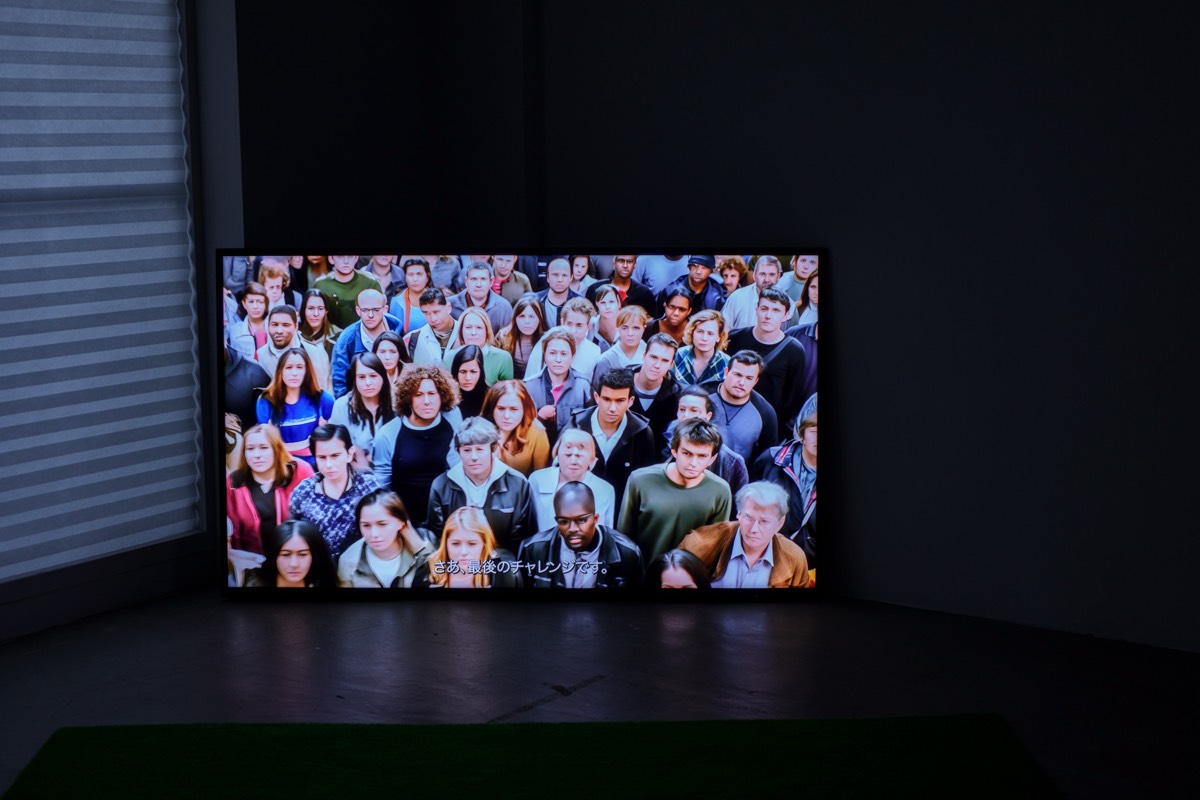
2025, A Midsummer Night’s Dream And sleep, The 5th Floor, Tokyo, Japan.
April 26 – June 8, 2025
Cayetano Limorte, Curator.
Text written by Cayetano Limorte
And sleep, that sometime shuts up sorrow’s eye, steal me a while from mine own company. William Shakespeare A Midsummer Night’s Dream, 1600
Truth is on the side of death. Simone Weil Gravity and Grace, 1947
With the popularisation of Windows 95, the Internet seemed to revive the interrupted dream of modernity. In 1996, cyberactivist John Perry Barlow noted in his ‘Declaration of the Independence of Cyberspace’ that a new social space was emerging. He described it as a more humane and just global space in which a multitude of disembodied identities - without the possibility of physical coercion - and in collective conversation, worked to build a world free from political tyranny, with a ‘social contract’ of its own. On a less naive note, the father of hacker activism, Hakim Bey, had already recognised in 1991, in his celebrated essay ‘Temporarily Autonomous Zone’, that the network feeds us information, the ghost of the machine, a reflection of our own desires.
Anticipating this idea, at the dawn of the twentieth century, Franz Kafka wrote that the technical means that allow communication at a distance (such as mail, telegraph or telephone) function as intermediaries between ghosts. The message received never corresponds exactly to the one sent because the desire of both subjects, in the height of their loneliness, rewrites it. The ghost of the machine, therefore, not only feeds the user with information, but, through the narcissistic illusion of communication, makes it possible for the subject, in turn sender and receiver, to always find themselves with their equal, as in Shakespeare’s comedy.
The Internet, an enchanted forest populated by ghosts, functions in this sense as a survival device in which, in Freudian terms, pleasure and reality principles meet, creating the appearance for the user of a solid and stable world, a tailor-made interface through which their desires can be satisfied as long as their quest to satisfy them, and their hope, does not cease. That interface, that veil of Maya in Buddhist terminology, equivalent to the magic juice poured on summer nights by the mischievous elf Puck over the eyes of mortals, protects humans from the stark loneliness to which the consciousness of their own death condemns them.
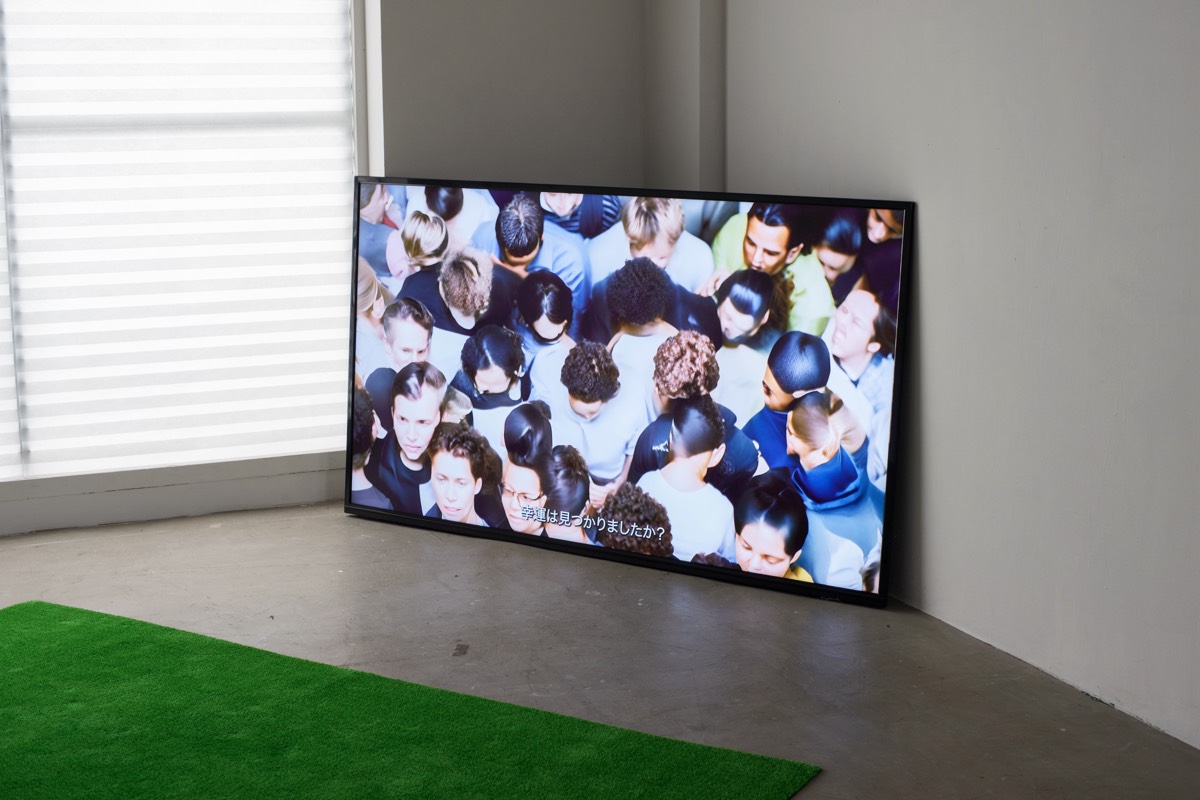
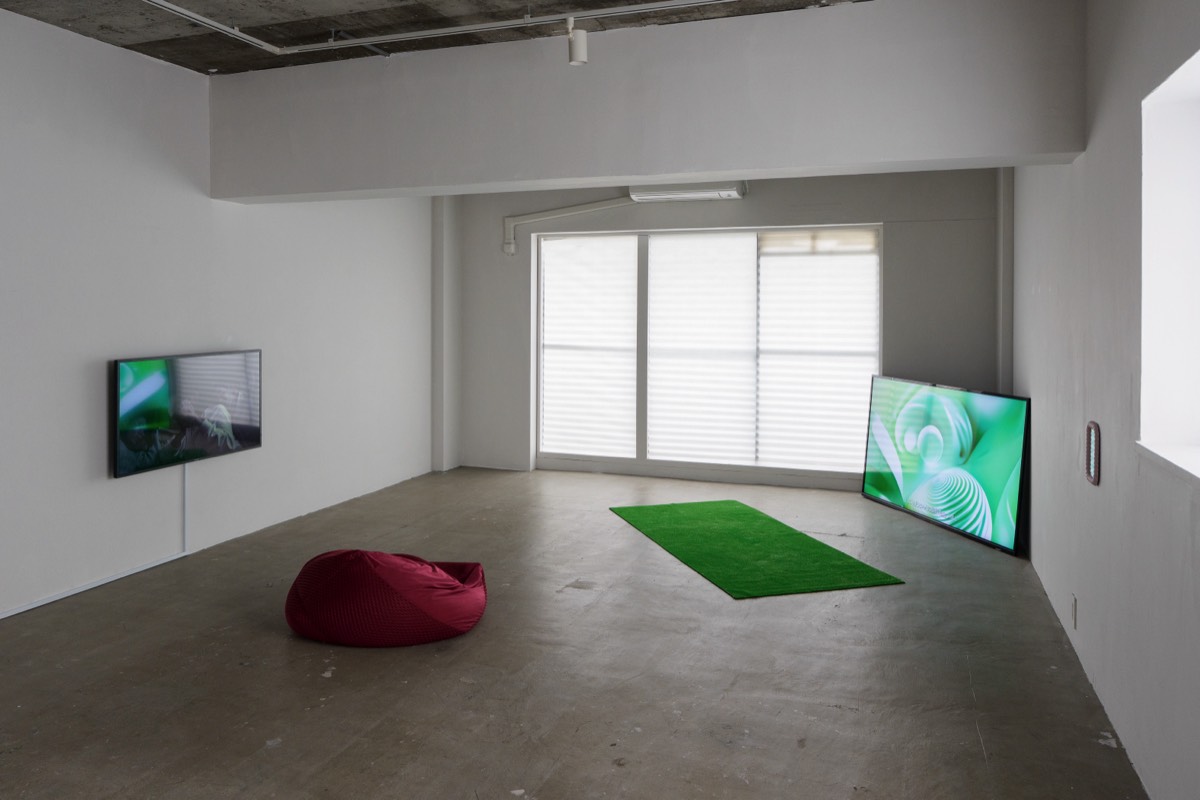
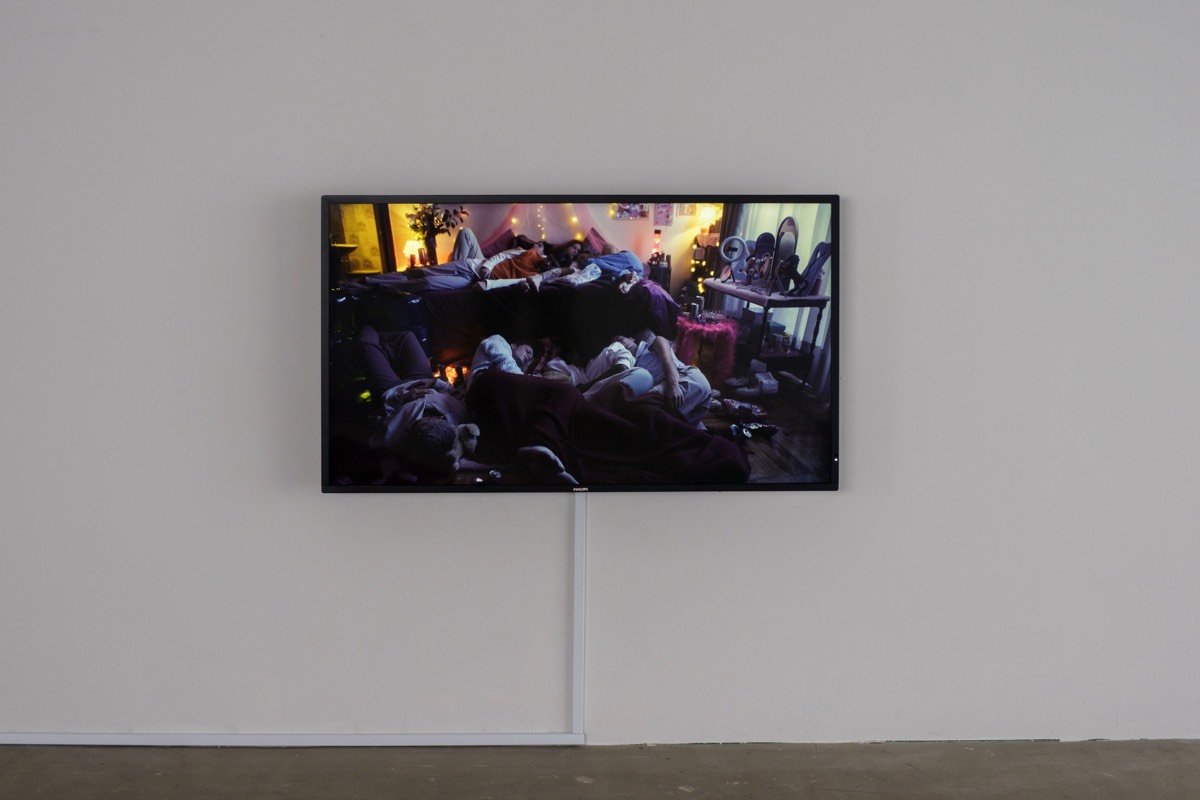
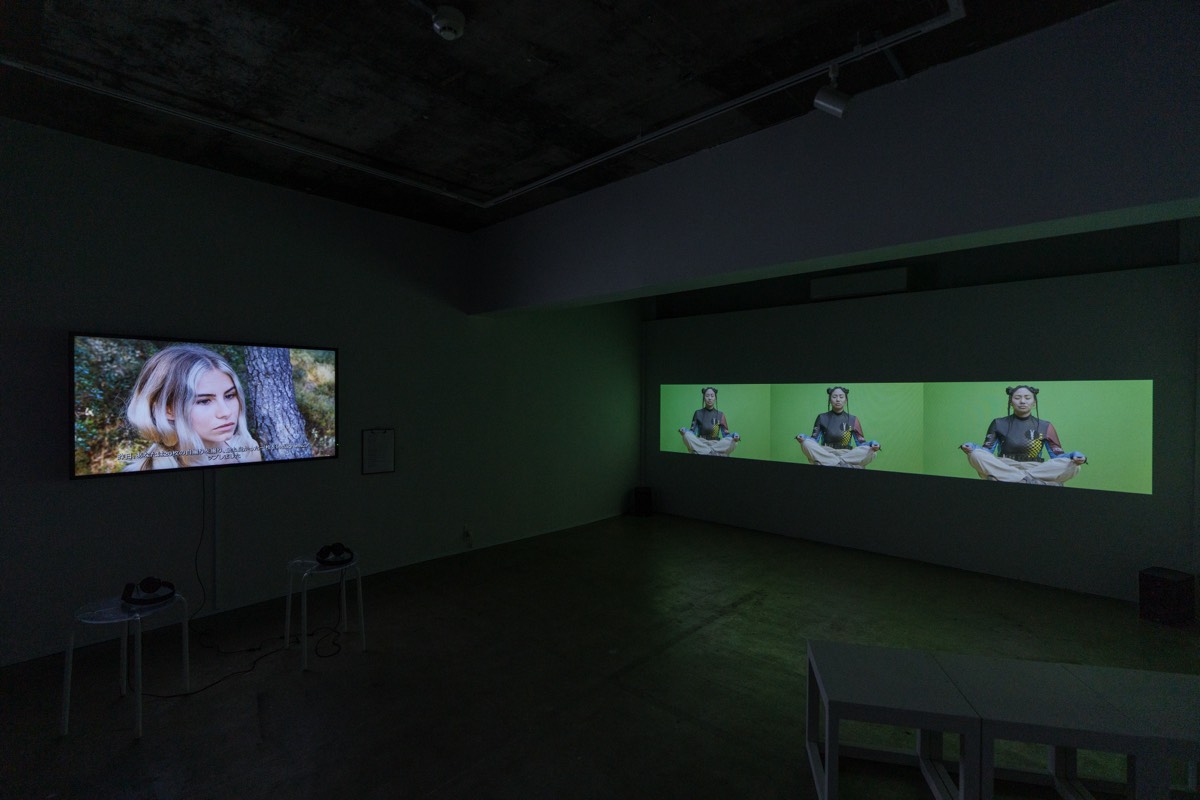
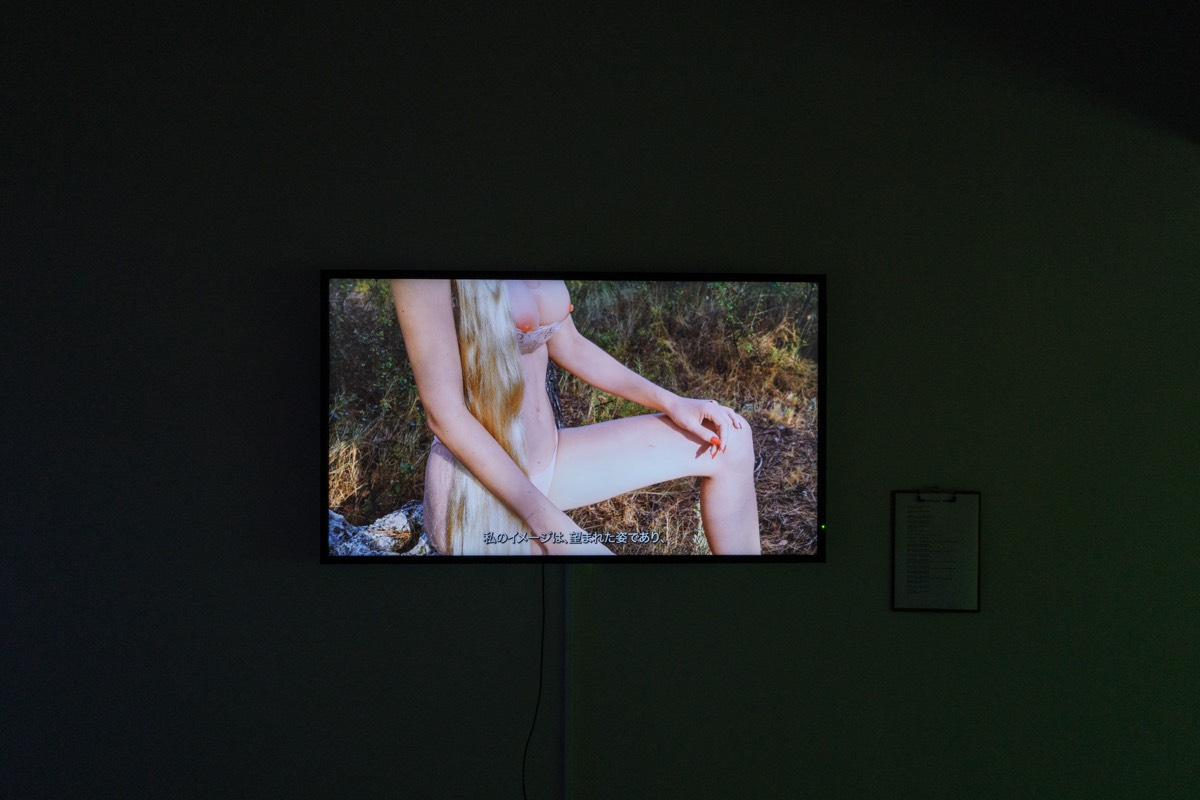
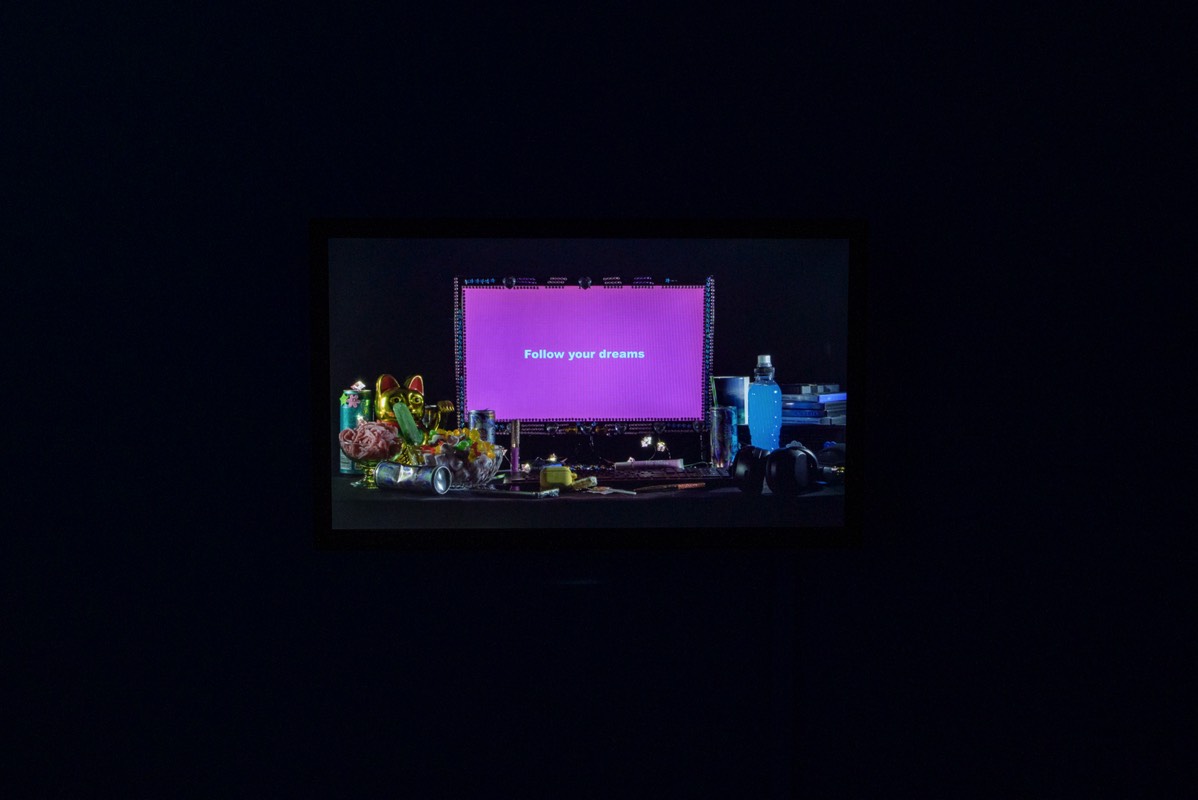
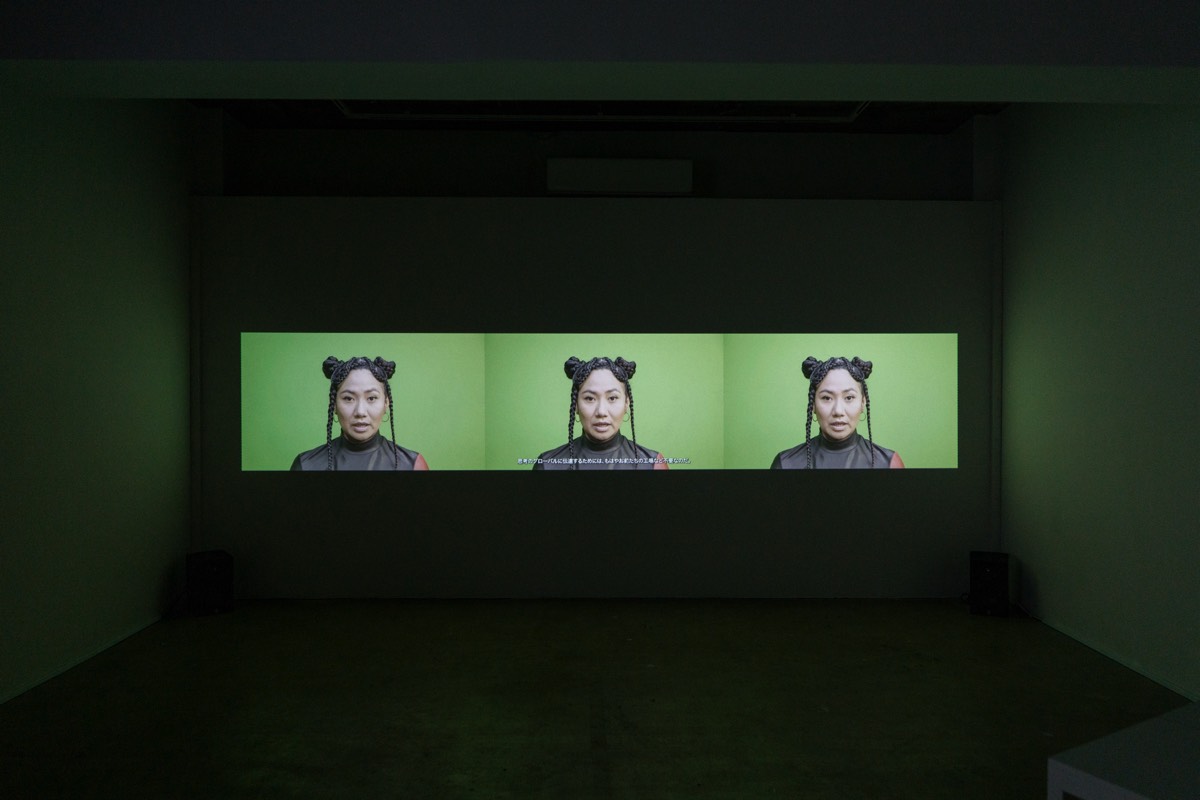
Ana Esteve Reig’s work delves into the impact of the Internet and digital media on contemporary society. Her videos meticulously analyse the social archetypes generated by the fictional universes of contemporary popular culture, as well as the new communities of online individuals and their shared realities. The question of subjectivity and its configuration, as well as the dichotomy between reality and representation, consistently serve as the backdrop for her work. This exhibition, titled after the theatre play published in 1600 by William Shakespeare, introduces her video works to Japan for the first time, reopening the classic reflection on reality that spans the history of thought from East to West, through different moments of utopia-Internet.