ANA ESTEVE REIG
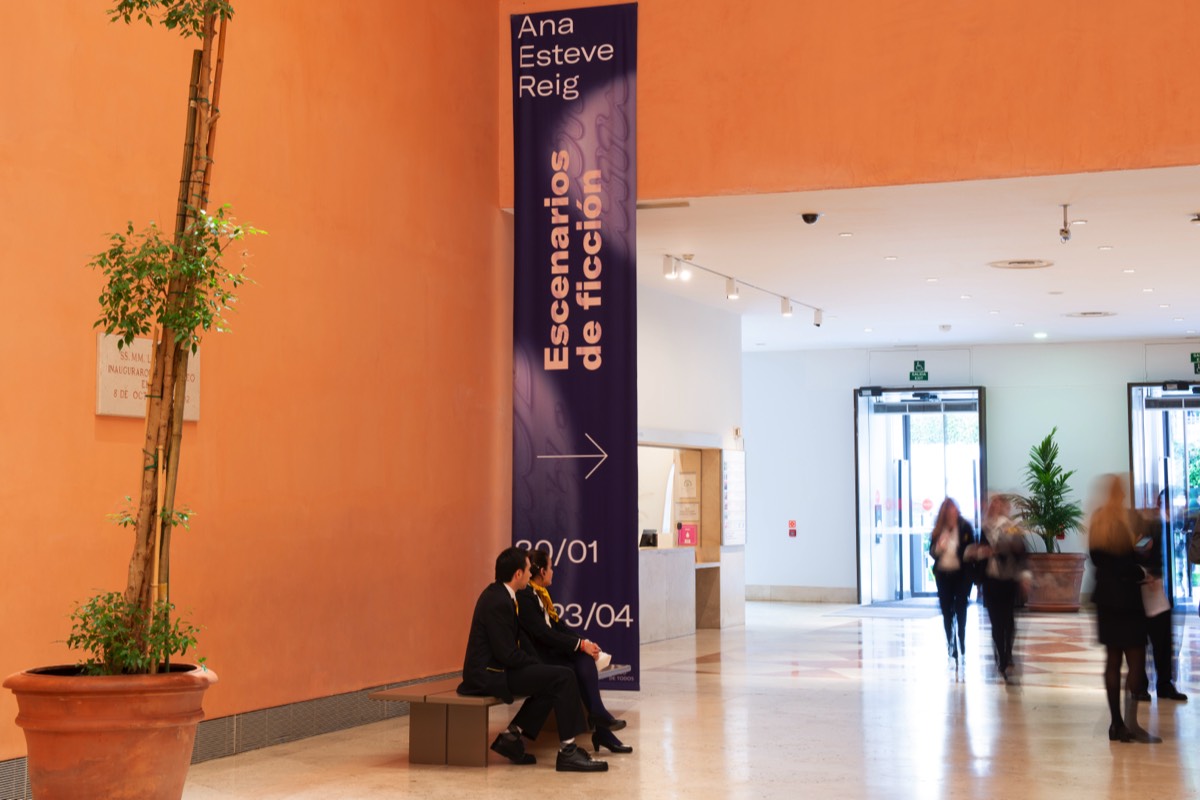
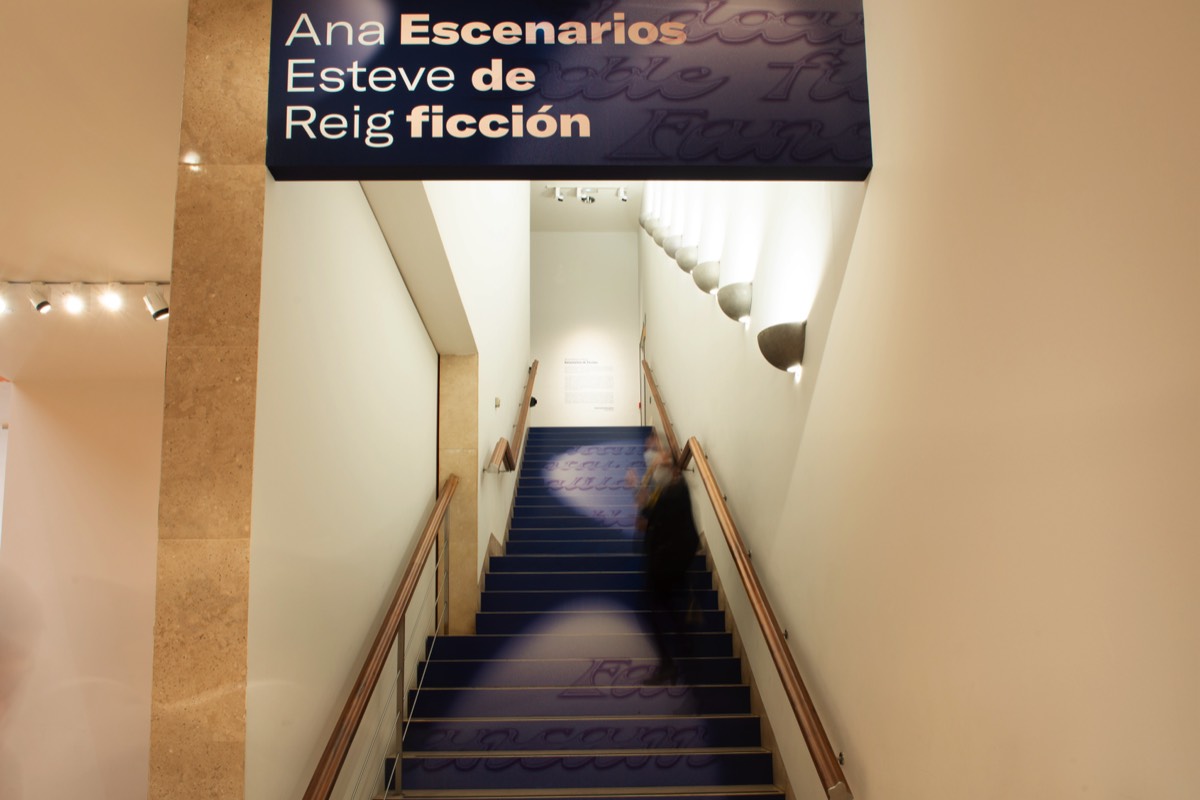
2023, Escenarios de ficción, Museo Nacional Thyssen-Bornemisza.
31 January – April 26.
Semíramis González, Curator.
Courtesy of Museo Nacional Thyssen-Bornemisza.
Photos: Helène Desplechin
Text by Semíramis González
Spanish original. English translation by Ana Esteve Reig.
Scenarios Where Anything Is Possible
“Science fiction is a vast metaphor.” — Ursula K. Le Guin
Ana Esteve Reig’s Scenarios of Fiction, presented within the Kora program at the Museo Nacional Thyssen-Bornemisza, explores identity, virtuality, and the spaces where both are constructed and negotiated. Drawing on the idea of adolescence as a liminal stage—an in-between moment where anything is still possible—the exhibition reflects on how individuals define themselves in relation to others and to the communities they inhabit.
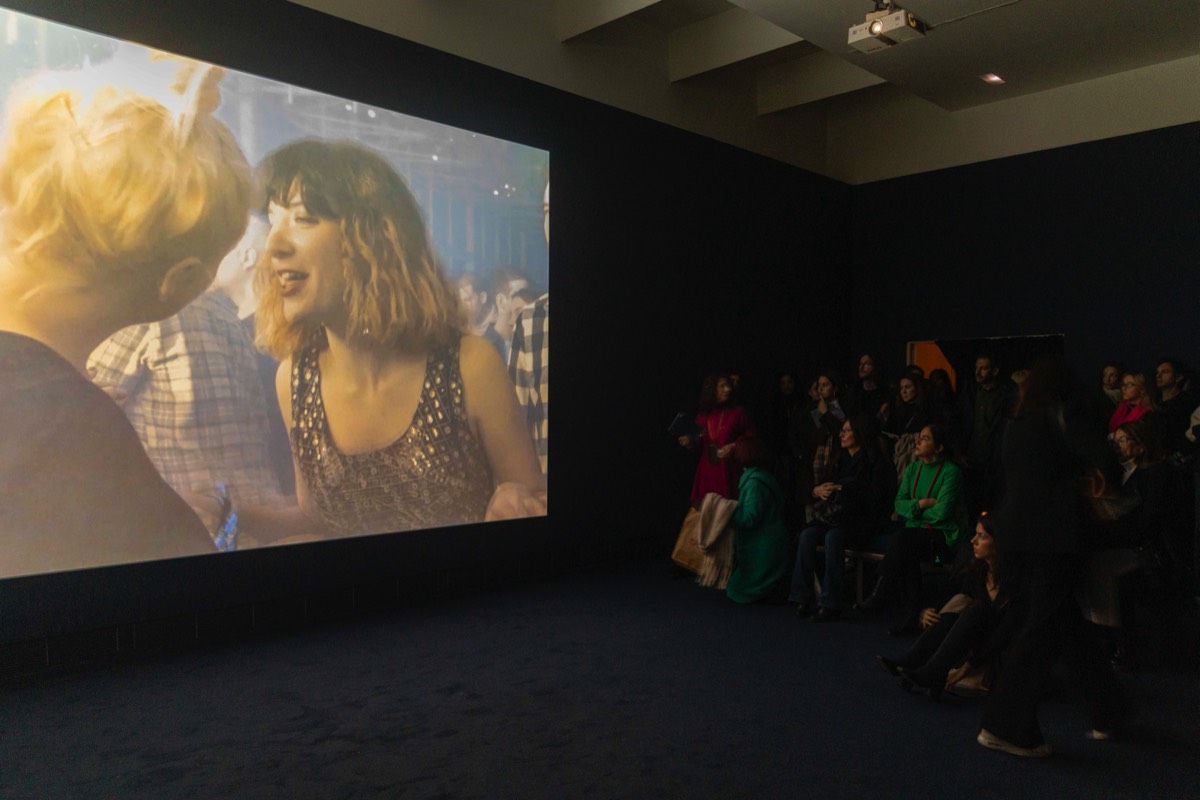
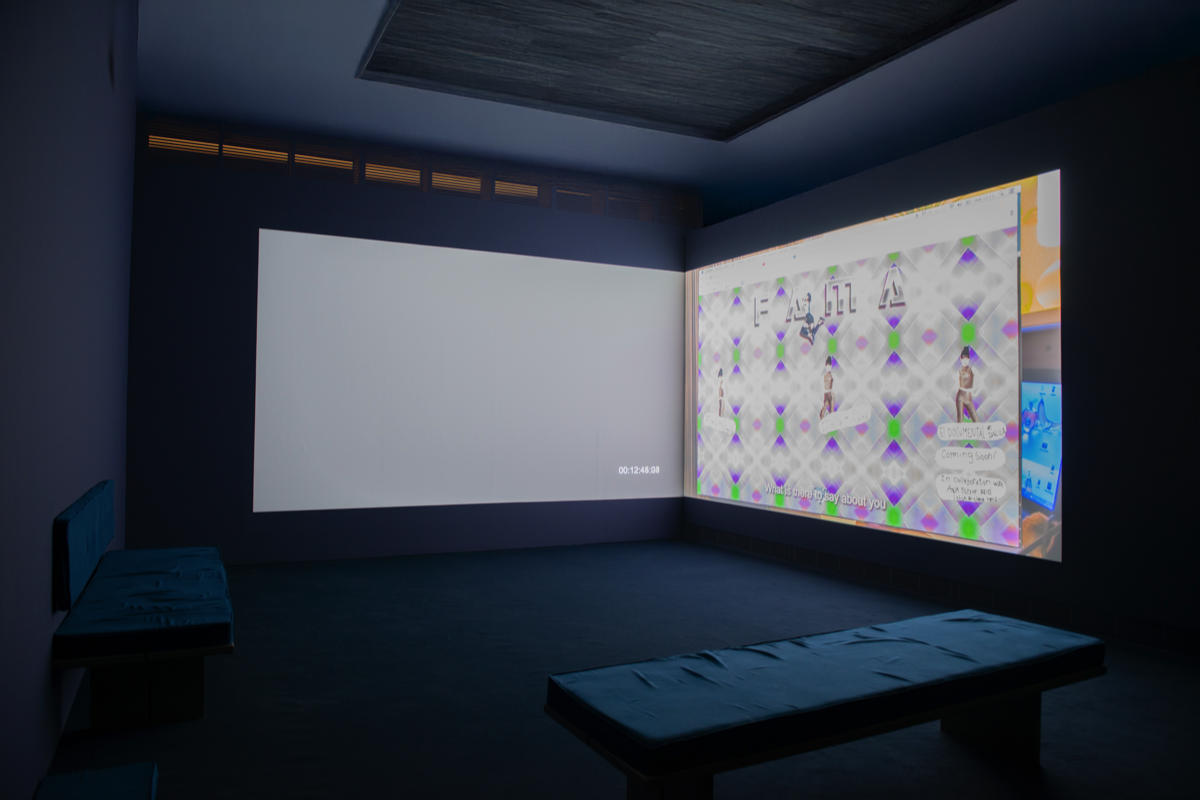
At the core of the project is a reflection on generational change, particularly through the lens of Generation Z. Works such as Fancams engage with contemporary visual languages shaped by digital culture and social media, revealing a desire for visibility, recognition, and self-affirmation. Rather than offering a sociological analysis, Esteve Reig invites us to observe and acknowledge these emerging aesthetics and identities on their own terms.
Her practice consistently addresses identity as something fluid, constructed, and performative. In earlier works like The Documentary of Dalila, as well as in Double Fiction, she highlights the importance of making visible what has historically been overlooked or misrepresented—particularly in relation to gender roles and representation.
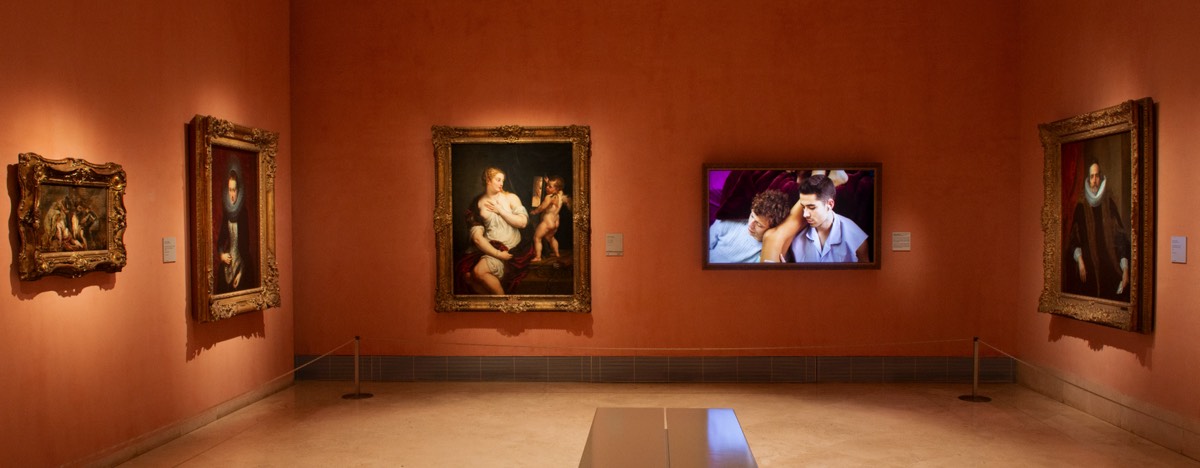
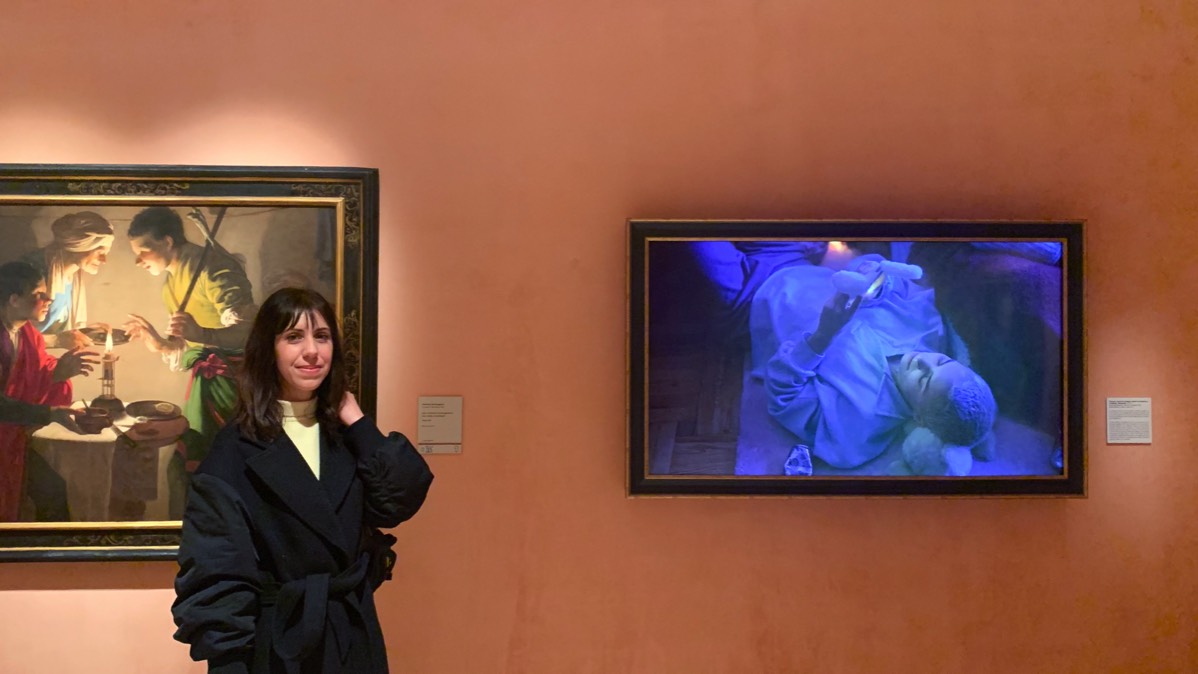
In the series Dead Time: Essay on Waiting and Desire, Esteve Reig recreates teenage bedrooms as spaces of introspection and suspended time. Through subtle camera movements and carefully chosen objects—mirrors, smartphones, everyday items—these works evoke contemporary forms of memento mori, reflecting on time, desire, and the construction of the self in digital environments.
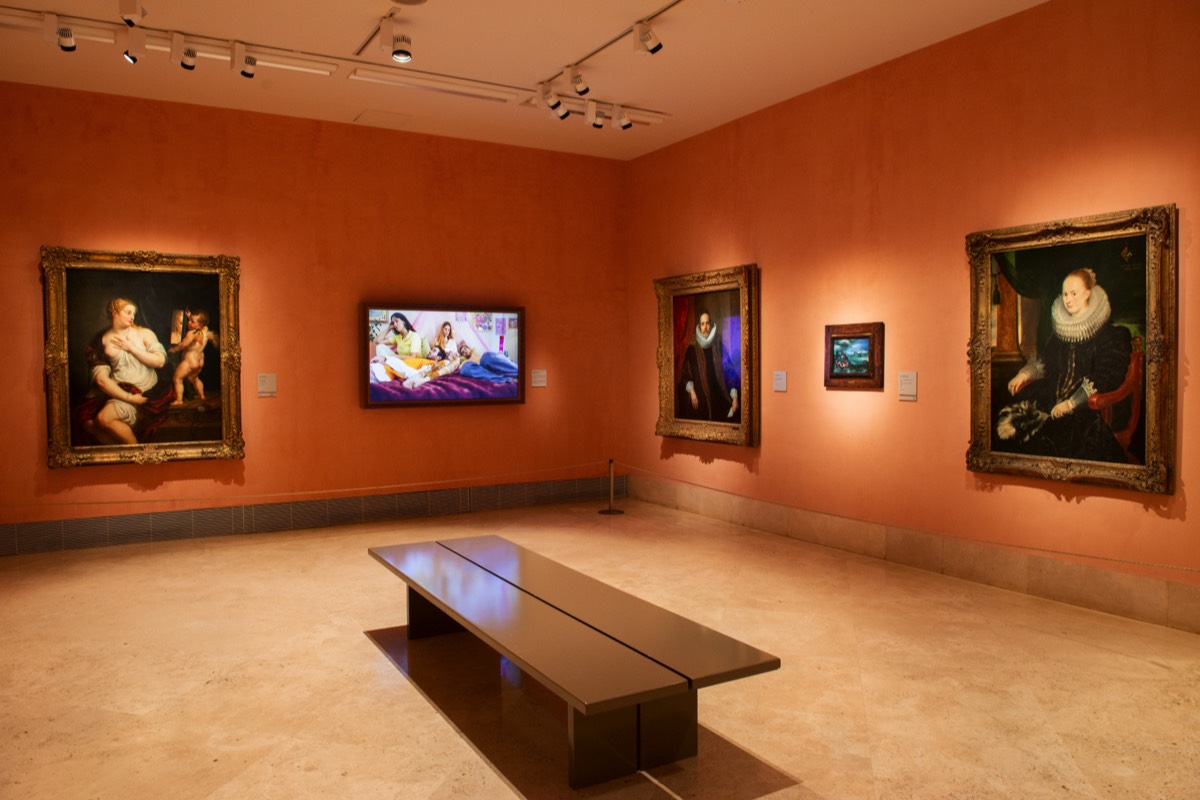
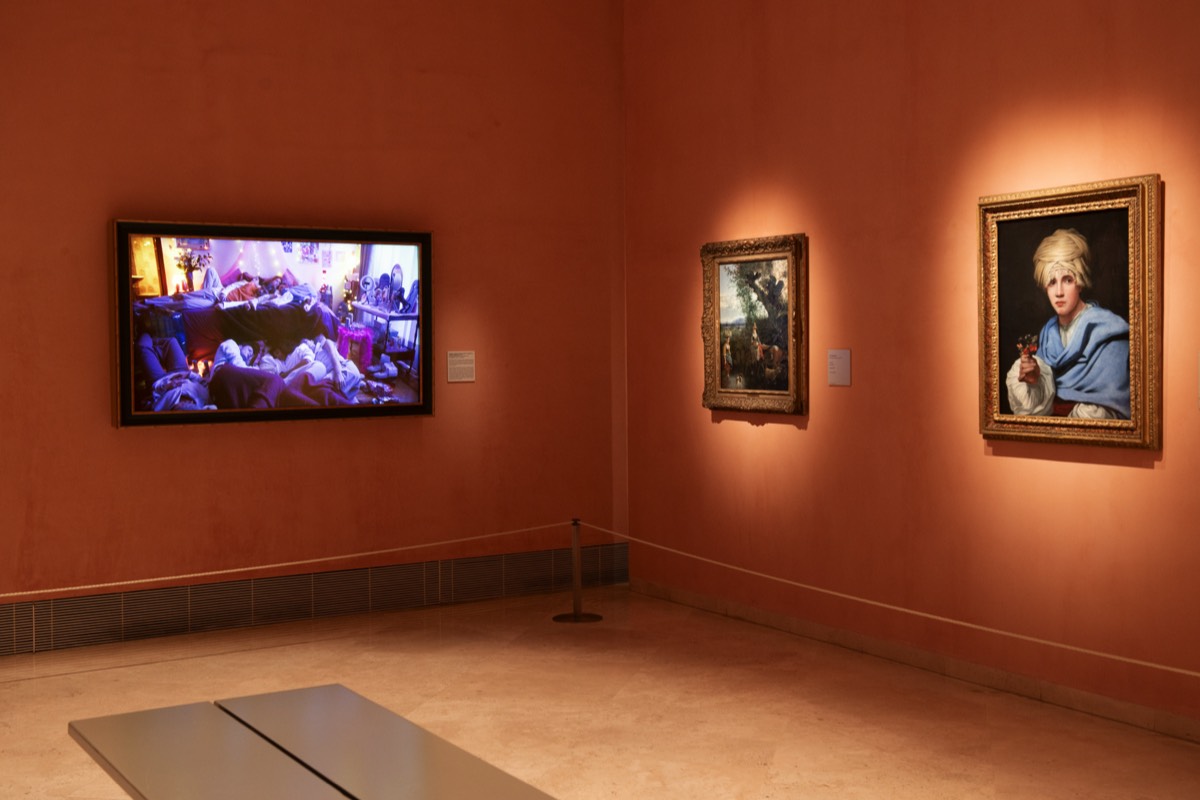
Throughout the exhibition, the screen functions as both a space of projection and a site of possibility. The individuals portrayed are not stylized but presented in their singularity, often embracing ambiguity and moving beyond binary understandings of gender and identity. In doing so, the work reflects broader generational shifts, in which younger people challenge inherited norms and articulate new ways of being.
As Ursula K. Le Guin suggests, science fiction operates as metaphor. In Scenarios of Fiction, these speculative spaces become a way of thinking about identity today—inviting us to look beyond our own frameworks and consider other ways of seeing, being, and relating.